
5 Tips To Inculcate a Good Sense of Hygiene from Early Childhood
“Rules governing defecation, hygiene, and pollution exist in every culture at every period in history. It may, in fact, be the foundation of civilisation: What is toilet training if not the first attempt to turn a child into an acceptable member of society?”
– Rose George, journalist and author
How important is personal hygiene? Well, there’s no direct measure to the importance of maintaining good personal hygiene, but the consequences are certainly felt when you don’t adhere to it. Maintaining good hygiene impacts our social and personal well-being to a great extent. When we dig deeper into the subject of hygiene, it all comes down to our daily habits and lifestyle.
Childhood is certainly the right time to inculcate and develop healthy habits and teaching toddlers how to practice good hygiene must begin early.
Sending your children out in the world without them having any knowledge of hygiene is like sending them to a battlefield without a weapon. If you’re wondering how you can possibly instil a good sense of hygiene in your little one, scroll down and start reading!
Washing Hands Regularly
One of the most rudimentary steps in the hierarchy of maintaining good hygiene is teaching your children to wash their hands regularly. Children are more prone to illnesses caused by germs. Ads or posters often have a much better way of presenting this message through the use of visuals. Look up such visuals or even animations that present this concept in a fun way.
Taking a Bath Daily
Children often don’t enjoy getting into close contact with cold water and thus are not keen to take a bath daily. Other factors that can lead to an aversion include sensitive skin that reacts to chemicals in products. To make sure that your child bathes every day, start with optimising the temperature of water and experimenting with kid-friendly bathing solutions. You can even introduce toys or waterproof books in the bathroom to make bathing a fun experience.
Brushing Teeth Twice a Day
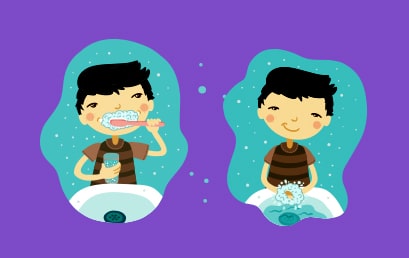
Children are more prone to dental sickness given their eating habits. Cavities, gum disease and broken teeth can be a common problem when it comes to toddlers. While it’s not always possible to restrict what they eat, you can help them protect their teeth by ensuring that they brush their teeth twice a day and rinse after each meal. A good way to start would be letting your kid choose the toothbrush and the toothpaste. You can even join them in their teeth cleaning expedition and lead by example.
Grooming nails
One of the most important aspects of good hygiene starts with grooming nails. As fingernails grow larger they start accumulating a lot of dirt and germs given our contact with the surroundings. Children tend to put their fingers in their mouth and many children bite their fingernails – these are habits that could make them sick. It’s very important to teach your child about the consequences of having dirty fingernails while building a habit of cutting their nails regularly.
Keeping surroundings clean
Litter, litter everywhere, that’s what children do when they are not supervised and taught about the importance of keeping their surroundings clean. From clean sheets to clean floors, everything needs to be taken care of when it comes to keeping your homes and surroundings clean. Begin by teaching them to put their things away and clean any toys or games that have become dusty or dirty. You can also teach them to make their beds.
As a parent you can start teaching your children these habits at home and we, at Beansprouts your child’s second home, will continue to follow this up. We will leave no stone unturned when it comes to teaching your toddler the importance of hygiene. Join us in the journey of building a solid foundation for your child!